
Most people grow up hearing the same warning: Sugar is bad for your teeth.
That’s true—but it doesn’t tell the whole story.
Sugar contributes to tooth decay because bacteria in dental plaque use sugars and other fermentable carbohydrates, including some starches from foods and drinks and produce acids that attack tooth enamel. But foods and beverages that are already acidic can also affect enamel directly, even when they contain little or no sugar.
So, what actually damages your teeth: sugar or acid?
Both can be harmful, but they affect your teeth in different ways.
Understanding the difference can make it easier to make better choices without feeling like you have to completely give up every sweet, citrus fruit, cup of coffee, or occasional soda you enjoy.
The Quick Answer: Both Sugar and Acid Can Damage Teeth
Acid drives mineral loss from enamel. In cavities, that acid is usually produced by plaque bacteria metabolizing fermentable carbohydrates; in erosion, it comes directly from intrinsic or dietary acids.
With sugary foods, the process usually starts with bacteria. The bacteria in dental plaque use sugar and release acids, creating an environment that can gradually weaken enamel and contribute to cavities.
Acidic foods and beverages are different. They can expose enamel directly to acid and contribute to a process called dental erosion.
That means the better question isn’t necessarily “Is sugar or acid worse?”
Instead, consider:
Where is the acid coming from, and how frequently are your teeth being exposed to it?
How Tooth Enamel Gets Damaged
Tooth enamel is the hard outer covering that protects the more sensitive portions of your teeth.
Despite its strength, enamel is still vulnerable to repeated acidic conditions.
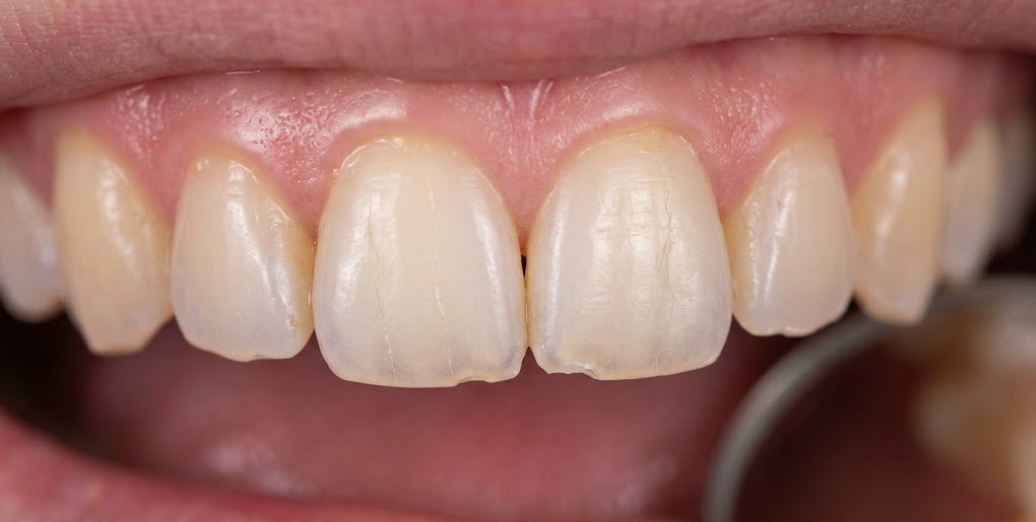
When acid lowers the pH around a tooth, minerals can begin leaving the enamel. This is known as demineralization.
Fortunately, the mouth has some natural defenses. Saliva can help neutralize acids, clear food debris, and support remineralization between acid exposures.
Problems are more likely to develop when acid attacks happen repeatedly and the teeth do not have enough opportunity to recover. An example: it takes about 30 minutes between exposures to neutralize acids, so if you are sipping on an acidic drink all day there is no neutralizing.
This is one reason how often you eat or drink something can matter nearly as much as what you choose.
How Does Sugar Cause Cavities?
Sugar does not simply touch a tooth and create a cavity.
The process involves plaque bacteria.
After you eat or drink something containing sugar, bacteria within dental plaque can use those sugars and produce acid. Repeated acid attacks can gradually weaken enamel until a cavity develops.
The process can be thought of like this:
Sugar → bacteria → acid → enamel demineralization → possible cavity
This is also why daily brushing, cleaning between the teeth, and professional teeth cleanings matter. Removing plaque reduces the bacterial buildup responsible for both tooth decay and gum disease.
>>> Check out our guide on how to tell if you have a cavity
Why Frequent Snacking and Sipping Matter
Imagine drinking one sugary beverage with lunch versus slowly sipping the same drink from 9:00 in the morning until noon.
Those habits are not necessarily identical from your teeth’s perspective.
Every new exposure to sugar gives plaque bacteria another opportunity to produce acids. Eating sugary snacks or sipping sweetened beverages repeatedly throughout the day can therefore create repeated periods of acid exposure.
The ADA recommends limiting between-meal snacking and notes that foods eaten as part of a meal may be less harmful than frequent snacking because saliva flow increases during meals.
This applies to habits such as:
- Sipping sweetened coffee throughout the morning
- Keeping a bottle of soda at your desk
- Frequently eating candy
- Grazing on sweet snacks throughout the afternoon
- Drinking sweet tea or sports drinks over a long period
You don’t necessarily have to eliminate every treat. Reducing how frequently your teeth are exposed can make a meaningful difference.
How Do Acidic Foods and Drinks Damage Tooth Enamel?
Acidic foods and beverages can affect teeth through a different process known as dental erosion.
Unlike cavity formation, dental erosion does not require plaque bacteria to produce the acid. The acid can come directly from what you eat or drink. Frequent dietary acid exposure is associated with an increased risk of erosive tooth wear.
Common acidic foods and drinks include:
- Soft drinks
- Sports drinks
- Energy drinks
- Citrus juice
- Sparkling water
- Water (even regular water can be acidic, always check the PH of your water)
- Lemonade
- Sour candy
- Citrus-flavored beverages
- Some other carbonated or acidified drinks
This doesn’t mean nutritious acidic foods such as oranges or tomatoes have to disappear from your diet. Having them as part of a meal instead of repeatedly snacking on them throughout the day can help reduce exposure.
Cavities vs. Enamel Erosion: What’s the Difference?
Cavities and dental erosion can both damage enamel, but they are not exactly the same process.
| Tooth Decay/Cavities | Dental Erosion | |
| What starts the process? | Plaque bacteria metabolizing sugars | Direct exposure to acids |
| Does sugar play a role? | Frequently | Not necessarily |
| Are bacteria required? | Yes | No |
| What happens? | Localized decay can form in the tooth | Enamel gradually wears away |
| Can lost enamel simply grow back? | No | No |
Early demineralization can sometimes be strengthened through remineralization before a cavity forms, but enamel that has been physically lost through erosion does not regenerate.
This is why preventing repeated damage is much easier than trying to restore heavily worn teeth later.
So, Which Is Worse for Your Teeth: Sugar or Acid?
There isn’t a simple winner.
A sugary food increases cavity risk because bacteria can turn that sugar into acid.
An acidic drink may expose enamel directly to acid.
And some foods and beverages give your teeth both problems at once.
Frequency also matters. An occasional exposure followed by plenty of time for saliva to do its job is different from exposing your teeth to sugar or acid every few minutes throughout the day.
Instead of asking which ingredient is “worse,” it is more useful to look at your overall habits.
Soda, Energy Drinks, and Sour Candy Can Be a Double Hit
Some of the hardest products on teeth combine sugar and acidity.
A regular soft drink, for example, may contain sugar that cavity-causing bacteria can use while also being acidic enough to contribute to enamel erosion.
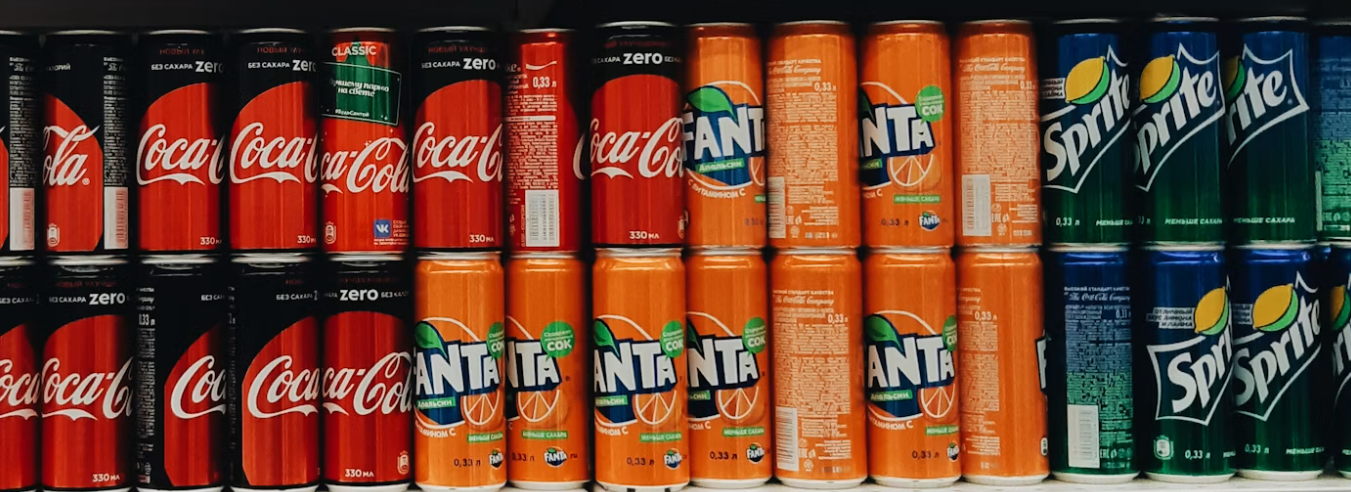
Energy drinks, sports drinks, lemonade, and sour candies can present similar concerns depending on their ingredients.
Sour candy is worth particular attention because the tart flavor is commonly created using acids. Add sugar to the equation, and the teeth may be exposed to two different risk factors at the same time.
Again, having something occasionally is different from consuming it repeatedly throughout the day.
Does Sugar-Free Mean Tooth-Friendly?
Not always.
This is where many people get surprised.
Removing sugar can reduce one part of the cavity equation, but it does not automatically make a beverage neutral or harmless to enamel.
Some sugar-free soft drinks and other beverages remain acidic. That means a drink can contain no sugar and still contribute to dental erosion if your teeth are exposed to it frequently.
So, when evaluating a beverage, don’t look only at the grams of sugar on the label.
Acidity matters, too.
For everyday hydration, plain water continues to be one of the simplest choices for your teeth.
How Saliva Protects Your Teeth From Acid
Your mouth has its own built-in defense system.
Saliva helps:
- Wash away food debris
- Dilute and clear acids
- Neutralize acidic conditions
- Supply minerals involved in remineralization
This natural recovery period is one reason constant sipping and snacking can be troublesome. Your mouth needs time between exposures for saliva to help restore a healthier environment.
The ADA also notes that sugar-free chewing gum can stimulate saliva f