
Loud snoring, morning headaches, and constant daytime fatigue may not seem like dental concerns. However, the position of the jaw, tongue, and other tissues in the mouth can affect how easily air moves through the upper airway during sleep. Because dentists regularly examine these structures, they may be among the first healthcare professionals to notice signs that deserve a closer look.
Yes, a dentist can help with obstructive sleep apnea, but the dentist is usually one member of a broader care team. A medical provider is responsible for confirming the diagnosis, while a dentist can screen for warning signs, evaluate the mouth and jaw, and provide a custom oral appliance when it is appropriate. At Derksen Dentistry, Lansing patients can also be evaluated for anti-snoring dental devices designed to keep the airway more open during sleep.
What Is Sleep Apnea?
Sleep apnea is a sleep-related breathing disorder in which breathing repeatedly slows or stops during the night. The most common form is obstructive sleep apnea, or OSA. It occurs when the tongue or soft tissues near the back of the throat relax and narrow or block the airway.
Each breathing interruption can briefly move the body out of deeper, restorative sleep. Many people do not remember waking, but they may feel the effects the next day. Common symptoms include excessive sleepiness, difficulty concentrating, morning headaches, irritability, and waking with a dry mouth.
Snoring is often associated with obstructive sleep apnea, but the two are not the same. Some people snore without having apnea, and snoring alone cannot confirm a diagnosis. However, loud snoring combined with gasping, choking, witnessed pauses in breathing, or severe daytime fatigue should be discussed with a healthcare provider.
Can a Dentist Diagnose Sleep Apnea?
A dentist can identify possible signs of obstructive sleep apnea and recommend further evaluation, but a dental examination by itself does not provide a definitive diagnosis. Sleep apnea is generally confirmed through a sleep study ordered or interpreted by a qualified medical provider.
The dentist’s role may begin with screening. During a full dental exam, the dentist can ask about sleep-related symptoms and evaluate the teeth, bite, jaw, tongue, and surrounding tissues. If the findings suggest a possible airway problem, the patient may be advised to speak with a physician or sleep specialist.
This team-based approach is important. A physician can determine whether a patient has obstructive sleep apnea and assess its severity. The dentist can then determine whether the teeth, gums, jaw joints, and bite can safely support an oral appliance.
Signs of Sleep Apnea a Dentist May Notice
Dentists cannot determine that a patient has sleep apnea based on appearance alone. Still, several oral findings may prompt questions about sleep quality and breathing.
Teeth Grinding or Jaw Clenching
Worn, flattened, chipped, or cracked teeth may indicate nighttime grinding. Some patients also experience morning jaw tightness, facial discomfort, or headaches. Grinding has many possible causes and does not automatically mean a person has sleep apnea. However, when it appears alongside loud snoring or daytime sleepiness, it may support the need for further evaluation.
Patients with jaw pain, clicking, or tightness may also benefit from an evaluation for TMJ treatment in Lansing. Jaw-joint health is especially important before and during oral appliance therapy.
Dry Mouth and Mouth Breathing
People who breathe through their mouths while sleeping may wake with a dry, sticky feeling. Persistent dry mouth can make the mouth less comfortable and may contribute to cavities, bad breath, and gum problems because saliva helps wash away food particles and neutralize acids.
A routine teeth cleaning and dental exam gives the dental team an opportunity to look for these oral health changes and discuss any sleep-related symptoms the patient has noticed.
Jaw, Tongue, and Airway Features
A relatively small or recessed lower jaw, a large tongue in relation to the mouth, a narrow dental arch, or limited space near the back of the throat may affect the airway. These features do not diagnose sleep apnea, but they can help the dentist understand why a patient may be experiencing snoring or breathing difficulties during sleep.
How Can a Dentist Help With Sleep Apnea?
A dentist’s involvement may include screening, coordination with medical providers, doing a digital impression/scan, fitting a custom appliance, and monitoring the teeth and jaw over time.
Recognizing Warning Signs
Dentists see many patients regularly, even when those patients do not visit a physician every year. This creates an opportunity to ask about symptoms such as snoring, morning headaches, dry mouth, poor-quality sleep, and daytime fatigue. A sleeping partner’s observations can also be useful, particularly when the partner has noticed gasping or pauses in breathing.
Coordinating With a Physician or Sleep Specialist
When obstructive sleep apnea is suspected, appropriate medical testing is an important next step. After a diagnosis is made, the physician and dentist can help the patient understand the available treatment options. Some people are best treated with continuous positive airway pressure, commonly called CPAP. Others may be candidates for an oral appliance.
Providing a Custom Oral Appliance
A common dental treatment for obstructive sleep apnea is a mandibular advancement device. This small appliance fits over the teeth and gently holds the lower jaw in a forward position. Moving the jaw forward can help prevent the tongue and soft tissues from collapsing into the airway.
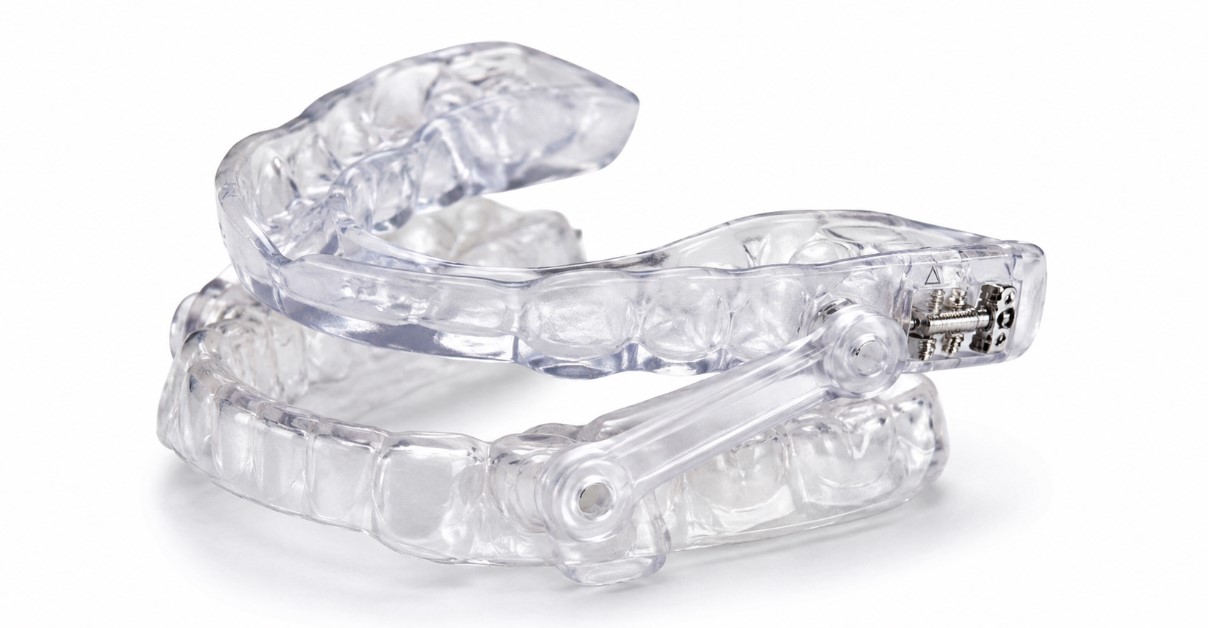
These appliances are customized and adjusted to the patient. They are not the same as a basic sports mouthguard or an over-the-counter device. Derksen Dentistry offers custom anti-snoring mouthpieces in Lansing and can make ongoing adjustments to improve comfort and fit.
Monitoring the Teeth, Bite, and Jaw
Oral appliances require follow-up. Some patients experience temporary tooth tenderness, jaw soreness, increased saliva, dry mouth, or changes in the way the teeth come together. Regular dental monitoring helps the dentist identify these concerns early and adjust the appliance when needed.
What Is a Sleep Apnea Oral Appliance?
A sleep apnea oral appliance is a custom dental device worn while sleeping. The most common style advances the lower jaw slightly to create more room for airflow. It should be professionally fitted because the amount of advancement, the condition of the teeth, and the health of the jaw joints vary from person to person.
| Feature | Custom Sleep Apnea Appliance | Store-Bought Mouthguard |
| Primary purpose | Helps support the airway during sleep | Usually protects teeth or reduces grinding |
| Fit | Made for the patient’s teeth and bite | Generic or self-molded |
| Adjustability | Often adjusted gradually by a dentist | Usually limited or not adjustable |
| Follow-up | Requires professional monitoring | Often used without clinical oversight |
| Use for diagnosed OSA | May be appropriate when recommended | Not a substitute for prescribed treatment |
Who May Be a Candidate for Oral Appliance Therapy?
Oral appliance therapy is not the right choice for every person with sleep apnea. It may be considered for some adults with obstructive sleep apnea, especially those who cannot tolerate CPAP or who prefer another option after discussing the risks and benefits with their healthcare providers.
A patient may be a potential candidate when the patient:
- Has a confirmed diagnosis of obstructive sleep apnea
- Has healthy enough teeth and gums to support the appliance
- Is willing to wear the device consistently and attend follow-up visits
- Has discussed CPAP and other treatment options with the medical provider
- Wants a compact option that may be easier to use while traveling
Active tooth decay, loose teeth, significant gum disease, certain jaw-joint problems, or extensive tooth loss may affect candidacy. Patients with gum concerns may first need periodontal care, while damaged teeth or restorations may need to be addressed with appropriate dental services before an appliance is fitted.
Oral Appliance vs. CPAP: What Is the Difference?
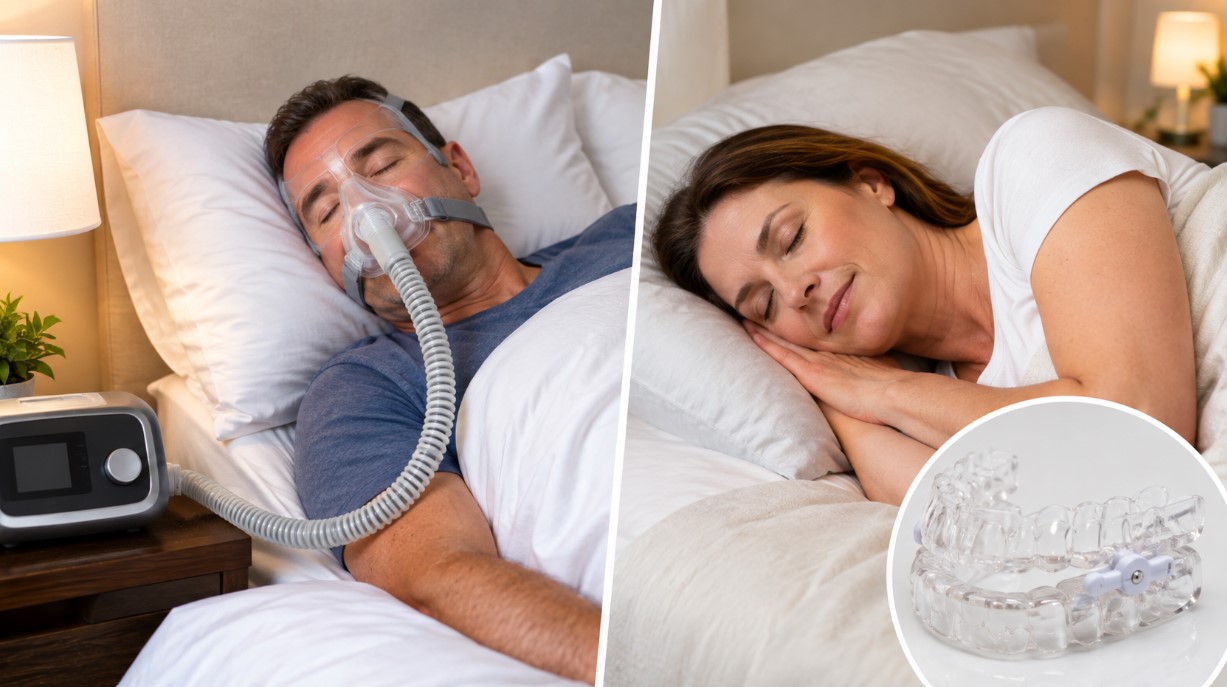
CPAP and oral appliance therapy both aim to keep the airway open, but they work differently. CPAP uses a bedside machine, tubing, and a mask to deliver pressurized air. A mandibular advancement device uses the position of the jaw to help create more airway space.
| Consideration | CPAP | Oral Appliance |
| How it works | Uses pressurized air to hold the airway open | Positions the lower jaw to support airflow |
| Equipment | Machine, tubing, and mask | Compact dental appliance |
| Portability | May require more travel planning | Generally small and easy to carry |
| Management | Monitored by a medical sleep provider | Fitted and monitored by a dentist with medical coordination |
| Best choice | Depends on diagnosis, severity, and medical advice | Depends on diagnosis, oral health, anatomy, and patient needs |
An oral appliance should not be presented as universally better than CPAP. CPAP remains an important and highly effective treatment, particularly for many patients with more severe disease. Patients should never stop using prescribed CPAP without speaking with the clinician who manages their sleep apnea.
What to Expect at a Dental Sleep Apnea Evaluation
The process can vary, but a dental evaluation commonly includes the following steps:
- A conversation about symptoms— The dentist may ask about snoring, fatigue, morning headaches, dry mouth, witnessed breathing pauses, previous sleep testing, and current CPAP use.
- An examination of the teeth and jaw— The dentist evaluates the teeth, gums, existing dental work, bite, jaw movement, and signs of clenching or grinding.
- Medical evaluation or records review— Patients without a diagnosis may need a referral or sleep study. Patients who already have a diagnosis should bring relevant records when possible.
- Impressions or a digital scan— Accurate models of the teeth are used to create a custom appliance.
- Fitting and adjustment— The appliance is fitted and may be advanced gradually to balance airway support with comfort.
- Follow-up care— The dentist checks the fit, monitors the bite and jaw, and coordinates with the medical provider to determine whether additional testing is needed.
Can a Dentist Help With Snoring Without Sleep Apnea?
A dentist may be able to help with primary snoring, which means snoring that is not caused by obstructive sleep apnea. However, it is important to rule out apnea before treating snoring as a stand-alone problem. Quieting the sound does not necessarily address repeated breathing interruptions if sleep apnea is present.
That is why professional evaluation matters. A custom device can be designed around the patient’s teeth, bite, and jaw movement rather than relying on a one-size-fits-all product.
Why Oral Health Matters Before Treatment
A mandibular advancement device places controlled pressure on the teeth and jaw. Healthy dental support is therefore an important part of treatment. Cavities, broken fillings, gum inflammation, loose teeth, or unstable dental work may need attention first.
Patients who have not had a recent examination can begin with a comprehensive dental exam. If tooth damage or missing teeth affect the treatment plan, the dentist can discuss options such as crowns and bridges, dental implants, or dentures based on the patient’s needs.
When Should Lansing Patients Seek an Evaluation?
Consider speaking with a healthcare provider when you or a sleeping partner notices:
- Loud, frequent snoring
- Pauses in breathing during sleep
- Choking or gasping at night
- Persistent daytime sleepiness
- Morning headaches or dry mouth
- Difficulty concentrating or unexplained irritability
- Jaw soreness or signs of nighttime teeth grinding
Dangerous sleepiness should be taken seriously. A person who is struggling to stay awake while driving or performing other safety-sensitive activities should seek prompt medical advice.
Questions to Ask About Dental Sleep Apnea Treatment
- Do I need a sleep study before receiving an appliance?
- Will you coordinate with my physician or sleep specialist?
- Is the appliance custom made and adjustable?
- How often will it need to be checked?
- What side effects should I watch for?
- How will we know whether the treatment is working?
- Will the appliance be billed through medical or dental insurance?
Talk With a Lansing Dentist About Snoring and Sleep Apnea
Sleep apnea is more than a noisy nighttime habit. It can interfere with restorative sleep and affect how a person feels and functions throughout the day. Although a dentist does not replace a medical sleep provider, dental care can play an important role in recognizing warning signs and providing a comfortable, customized treatment option for appropriate patients.
Derksen Dentistry provides anti-snoring dental devices for Lansing-area patients and can evaluate how the teeth, jaw, and bite may influence appliance fit. To discuss snoring, jaw discomfort, or an existing sleep apnea diagnosis, contact Derksen Dentistry to request an appointment. New patients can also review what to expect before their first visit.
Frequently Asked Questions
Can a regular dentist tell if you have sleep apnea?
A dentist may recognize warning signs and recommend medical evaluation, but sleep apnea is confirmed through appropriate medical assessment and sleep testing.
Is a sleep apnea oral appliance the same as a mouthguard?
No. A sleep apnea appliance is custom designed to reposition or support the jaw and airway. A standard sports mouthguard is designed primarily to protect the teeth.
Can an oral appliance replace CPAP?
It may be an option for certain patients, including some people who cannot tolerate CPAP. The choice depends on the diagnosis, severity, oral health, and recommendations of the patient’s healthcare providers.
Can a dentist help with snoring?
Yes, a dentist may provide a custom mandibular advancement device for appropriate patients. Possible sleep apnea should be evaluated before snoring is treated as an isolated concern.
Can a sleep apnea appliance cause jaw pain?
Some patients experience temporary jaw soreness, tooth tenderness, saliva changes, or bite changes. Proper fitting and regular follow-up help the dentist monitor and manage these effects.
Does insurance cover a sleep apnea dental appliance?
Coverage varies by policy. Because sleep apnea is a medical condition, the appliance may be handled through medical benefits rather than standard dental coverage. Patients should confirm requirements with the practice and insurance carrier.