
Sparkling water has become a popular alternative to soda. It has the same satisfying fizz, often without added sugar. But because the bubbles make it slightly acidic, many people wonder: is sparkling water bad for your teeth?
The short answer is that plain, unsweetened sparkling water is generally a tooth-friendly choice. It is not quite the same as still water, though, and ingredients and drinking habits can make a difference. Here is what Lansing-area patients should know before reaching for another can.
Does Sparkling Water Damage Tooth Enamel?
Carbon dioxide creates the bubbles in sparkling water. When it dissolves in water, it forms a small amount of carbonic acid. That makes sparkling water more acidic than regular water, but the acidity of plain sparkling water is typically much less concerning than that of soda or many sports drinks.
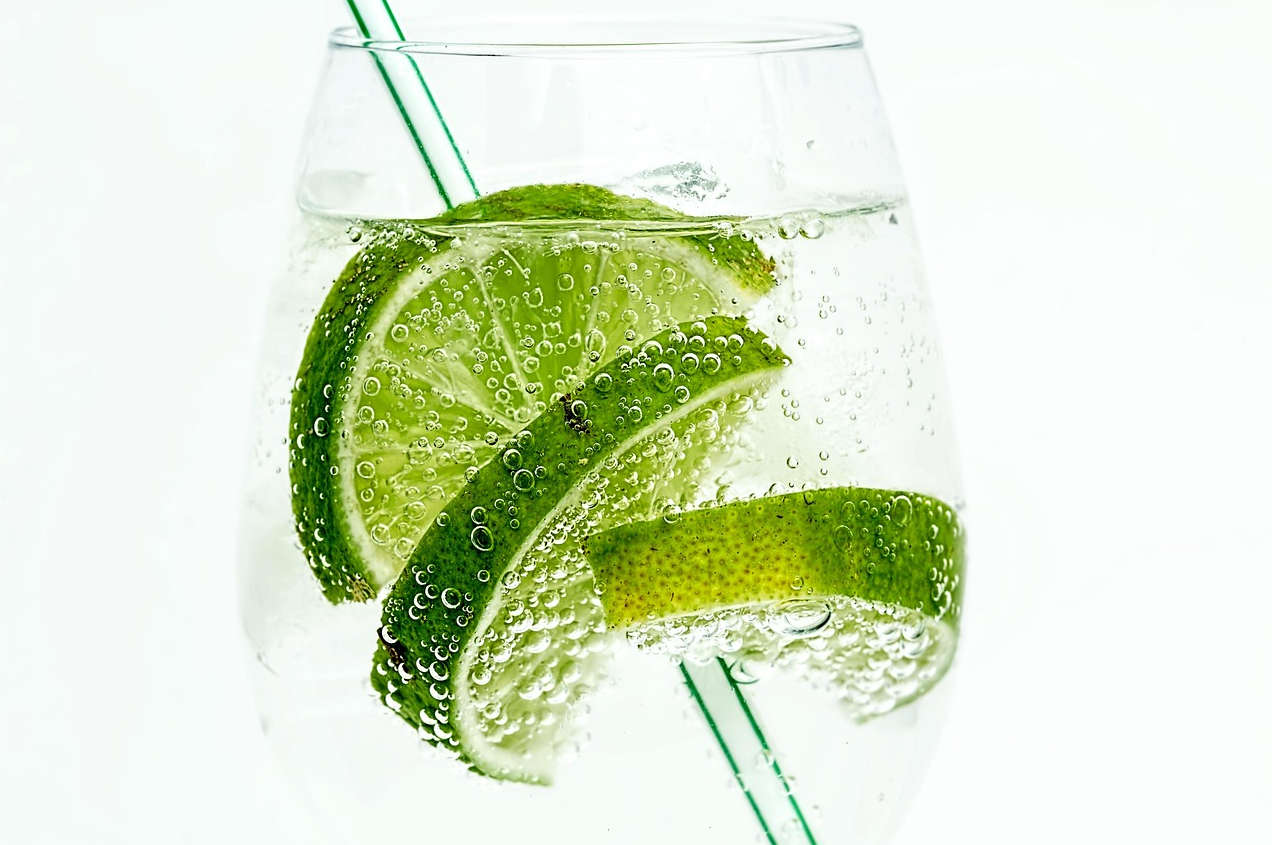
The American Dental Association notes that research comparing plain sparkling water with still water found similar effects on tooth enamel. For most people, enjoying unsweetened sparkling water in moderation is unlikely to cause meaningful damage on its own.
While early enamel weakening can sometimes be reversed with fluoride and saliva, enamel that has physically worn away cannot grow back. The amount of acid, how frequently teeth are exposed to it, and individual factors such as dry mouth or existing enamel wear all matter.
Plain vs. Flavored Sparkling Water: What Is the Difference?
Not every sparkling water has the same ingredients. Plain carbonated water generally presents less concern than versions containing citric acid, lemon or lime juice, or added sugar. Citrus flavorings can make a drink more acidic, even when the label says “zero sugar.”
Learn more about the effects of sugar and acid on your teeth.
Sugar creates a separate issue. Oral bacteria use sugar to produce acids that contribute to cavities. If a sparkling drink contains added sugar, it is better thought of as a sweetened beverage than plain water.
Check the ingredients rather than relying only on the front of the package. Look for added sugar, citric acid, and fruit juices. A naturally flavored drink is not automatically neutral for your enamel.
Is Sparkling Water Better for Your Teeth Than Soda?
In most cases, yes. Replacing regular soda with unsweetened sparkling water removes the added sugar that fuels cavity-causing bacteria. Plain sparkling water also tends to be much less erosive than soft drinks.
However, the best everyday beverage for your teeth is still plain fluoridated water. Fluoride helps strengthen enamel, and water rinses away food particles while supporting saliva production. If sparkling water helps you cut back on sugary drinks, that is usually a positive switch.
How to Drink Sparkling Water Without Harming Your Teeth
You do not need to eliminate every carbonated drink. A few practical habits can reduce repeated acid exposure:
- Choose plain, unsweetened sparkling water most often.
- Have flavored sparkling water with a meal instead of sipping it continuously throughout the day.
- Follow acidic drinks with a little regular water, especially if the drink contains citrus ingredients.
- Avoid brushing immediately after an acidic drink. Rinse with plain water and wait about 30 to 60 minutes before brushing with fluoride toothpaste.
- If you already have sensitive teeth, dry mouth, or visible enamel wear, ask your dentist whether your drink choices may be contributing.
Even careful home care does not replace professional monitoring. During a routine teeth cleaning, our team can check for signs of wear and recommend a prevention plan that fits your habits.
What Are the Signs of Enamel Erosion?
Early enamel erosion may not be obvious. Over time, you might notice increased sensitivity to cold drinks, teeth that look more yellow, or edges that appear thin or translucent. Other changes can include rough surfaces or small chips.
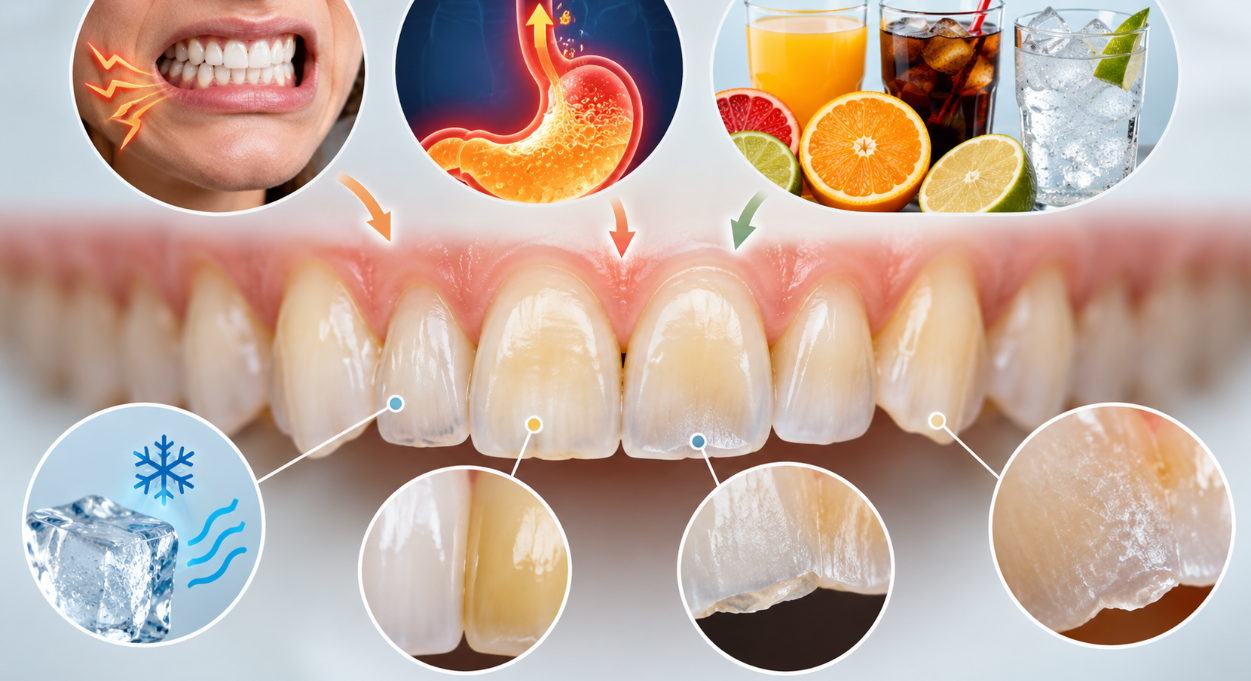
These changes can have several causes, including teeth grinding, acid reflux, and acidic foods and drinks. A full dental exam can help identify what is happening rather than assuming sparkling water is responsible.
The Bottom Line: You Can Usually Keep the Bubbles
If you enjoy a can of plain sparkling water with lunch, there is generally little reason to worry. Problems are more likely when a beverage contains added acids or sugar, or when acidic drinks are sipped repeatedly over many hours.
For patients in Lansing and East Lansing, Derksen Dentistry can help evaluate sensitivity, enamel wear, and cavity risk as part of regular preventive care. If you have questions about your teeth or your drinking habits, contact our office or call 517-371-5342 to schedule a visit.
Frequently Asked Questions
Can sparkling water cause cavities?
Plain, unsweetened sparkling water is generally a low-risk choice for cavities because it doesn’t contain sugar that feeds cavity-causing bacteria. Sweetened versions can increase cavity risk, and added acids may also contribute to enamel erosion.
Is lemon-flavored sparkling water bad for enamel?
It can be more acidic than unflavored sparkling water, especially when citric acid or juice is added. Having it with meals instead of sipping all day can lower repeated acid exposure.
Should I stop drinking sparkling water if my teeth are sensitive?
Not necessarily. Sensitivity can have many causes. A dental exam can identify whether enamel erosion, gum recession, or another issue is contributing.