
Jaw pain can be surprisingly disruptive. It can make it uncomfortable to eat, cause headaches, create tightness around the face, or make your jaw click every time you open your mouth. When these symptoms keep coming back, TMD may be one possible explanation.
TMD stands for temporomandibular disorder. It actually refers to a group of conditions that affect the jaw joints, the muscles used to move the jaw, or both. It can also include related tissues and structures. Although people often call the condition “TMJ,” TMJ technically refers to the joint itself.
The good news is that many jaw problems can be managed conservatively. A dentist can often help determine whether your symptoms may be related to the jaw joint, muscles, teeth grinding, or another dental problem, and whether additional treatment or a referral is appropriate.
What Is TMD? Understanding Temporomandibular Joint Disorders
You have two temporomandibular joints, one on each side of your head just in front of your ears. These joints connect your lower jaw to your skull and allow your jaw to move when you talk, chew, yawn, and swallow.
TMD is not a single condition. The term covers more than 30 disorders involving the jaw joints, chewing muscles, and related structures. Some primarily involve the muscles, while others involve the joint itself. TMD can also be associated with certain types of headaches.
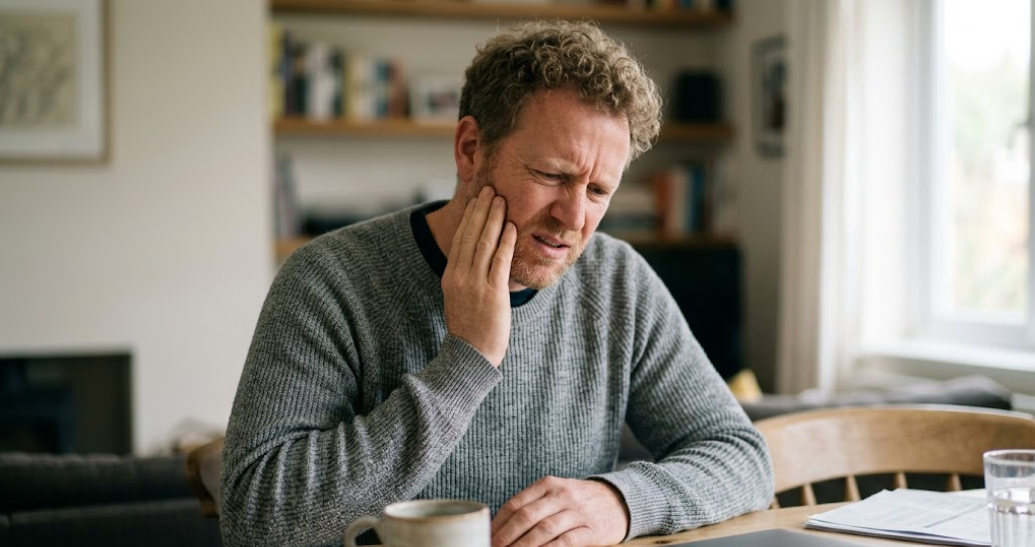
For some people, TMD symptoms are temporary and improve with simple changes. For others, jaw pain or limited movement can become an ongoing problem.
TMD vs. TMJ: What’s the Difference?
The terms are frequently used interchangeably, but they mean different things.
TMJ stands for temporomandibular joint. Everyone has two TMJs.
TMD stands for temporomandibular disorder and describes a problem affecting the jaw joint, chewing muscles, or related tissues.
So, when someone says, “I think I have TMJ,” they usually mean they may have a TMJ-related disorder, or TMD.
What Are the Most Common TMD Symptoms?
TMD does not feel exactly the same for everyone. Some patients notice pain, while others are more bothered by stiffness or difficulty moving the jaw.
Common TMD symptoms can include:
- Pain or tenderness around the jaw
- Pain in the muscles used for chewing
- Facial or neck discomfort
- Jaw stiffness
- Difficulty opening the mouth normally
- A jaw that locks or feels temporarily stuck
- Painful popping, clicking, or grinding in the jaw
- Headaches associated with jaw discomfort
- Changes in how the upper and lower teeth seem to come together
These symptoms can overlap with dental problems and other medical conditions, which is one reason it is helpful to have persistent jaw pain evaluated rather than assuming TMD is always responsible.
Is Clicking or Popping in Your Jaw Always a Problem?
Not necessarily.
Jaw joints commonly make clicking or popping noises. If the sound occurs without pain or problems moving the jaw, it may not require treatment.
It is more important to schedule an evaluation if clicking or popping is accompanied by pain, stiffness, limited movement, recurring headaches, or jaw locking.
What Causes TMD and Jaw Joint Pain?
This is where TMD can get complicated: there is not always one identifiable cause. It could be a combination of things. This is why it may take more than one dental visit, things should improve after each visit but it can take a few tweaks in the treatment to get everything feeling back to normal.
Injury can lead to some forms of TMD, but researchers do not know the exact cause in many cases. Genetics, life stressors, pain sensitivity, muscle activity, and other factors may all influence whether someone develops persistent TMD symptoms.
Several factors may also contribute to or aggravate jaw discomfort.
Teeth Grinding, Bruxism, and Jaw Clenching
Grinding or clenching the teeth may contribute to muscle overload or aggravate symptoms in some people” rather than implying a direct causal pathway.
Some people clench their jaw while concentrating or dealing with stress. Others grind their teeth while sleeping and may not realize they are doing it until a dentist notices tooth wear or they begin experiencing morning jaw fatigue.
Grinding and clenching can also cause problems beyond jaw discomfort, including excessive wear, chipped teeth, and tooth sensitivity.
If bruxism appears to be part of the problem, a dentist may discuss ways to protect the teeth and reduce harmful habits.
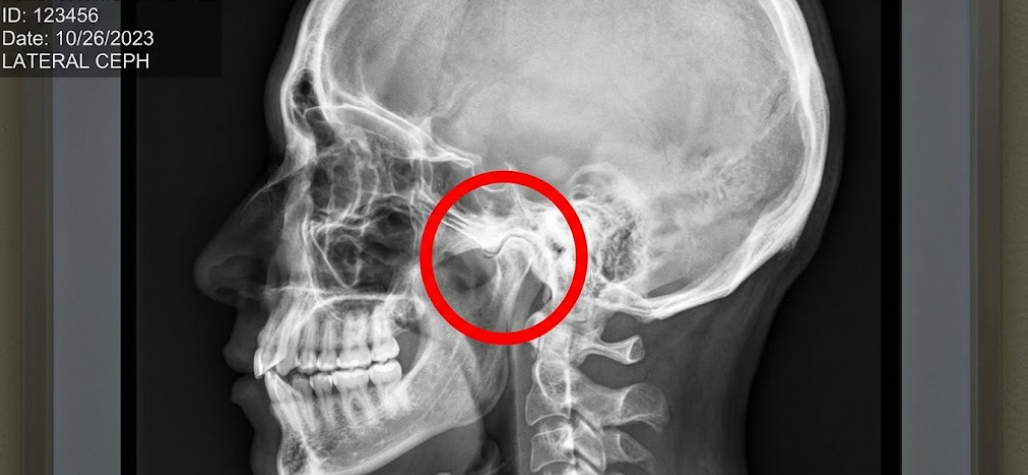
Jaw Injuries and Trauma
An injury to the jaw or temporomandibular joint can sometimes trigger TMD symptoms.
This may include:
- Sports injuries
- Falls
- Automobile accidents
- A direct blow to the jaw
- Other trauma affecting the joint
If you experience a significant injury to your jaw, particularly if you have severe pain, swelling, bleeding, or difficulty moving it, contact a dentist or medical provider promptly. Derksen Dentistry also provides emergency dental care in Lansing for urgent dental and jaw injuries.
For significant jaw trauma – especially suspected fracture/dislocation, severe swelling, uncontrolled bleeding, altered bite, numbness, or inability to open/close the mouth – seek urgent medical or emergency-department evaluation. Our office can advise on appropriate dental follow-up.
Arthritis and Changes Within the Jaw Joint
The TMJ is a joint like those found elsewhere in the body, which means it can also be affected by joint disease.
Certain forms of arthritis and degenerative changes may contribute to pain, stiffness, or limited movement in some patients. Determining whether the discomfort is coming from the joint itself, the surrounding muscles, or another source can help guide the next step.
Stress and Jaw Muscle Tension
Stress does not provide a simple explanation for every case of TMD.
However, some people respond to stressful situations by tightening their jaw, clenching their teeth, or holding their facial muscles tense for long periods. That added muscle activity may make existing jaw discomfort more noticeable.
Becoming aware of daytime clenching is often a useful first step. When your jaw is at rest, your teeth generally should not remain tightly pressed together.
Can a Dentist Diagnose TMD?
A dentist can be a good place to start when you are experiencing recurring jaw pain.
There is no single test that identifies every type of TMD. Instead, a dentist or physician will generally consider your symptoms, health history, location of your pain, jaw movement, and other findings. Imaging such as dental X-rays, MRI, or CT scans may be appropriate in certain situations.
Your dentist may also need to rule out other possible causes of facial or jaw pain.
For example, pain that seems to be coming from your jaw could occasionally be related to:
- A damaged tooth
- A dental infection
- Teeth grinding
- Muscle pain
- An injury
At Derksen Dentistry, 3D imaging and digital dental X-rays are available when imaging is appropriate to help evaluate the teeth and surrounding structures.
How Can a Dentist Help with TMD and Jaw Pain?
The right treatment depends on what appears to be contributing to your symptoms.
That is important because TMD is not a one-size-fits-all problem. Treatment that is appropriate for someone who clenches their teeth may be very different from treatment for someone experiencing an inflammatory joint condition.
For patients in Lansing and East Lansing, Derksen Dentistry provides TMJ treatment and evaluation with an emphasis on understanding how the jaw, muscles, and teeth are functioning together.
Start With Conservative TMD Treatment
Many TMD symptoms can improve without invasive treatment.
Depending on your situation, conservative recommendations may include:
- Temporarily eating softer foods
- Applying heat or cold
- Reducing gum chewing
- Avoiding habits such as nail biting
- Becoming more aware of jaw clenching
- Gentle exercises when recommended
- Short-term medication when medically appropriate
- Bite splint with cuspid guidance
- Botox
- Physical therapy or other supportive care
National Institute of Dental and Craniofacial Research guidance recommends starting with simple, reversible approaches whenever possible.
You can also learn more about non-surgical TMJ treatment options in Lansing available for patients with ongoing symptoms.
Can a Night Guard Help With TMD?
A custom appliance may be considered for selected patients, particularly when tooth grinding or clenching is present.
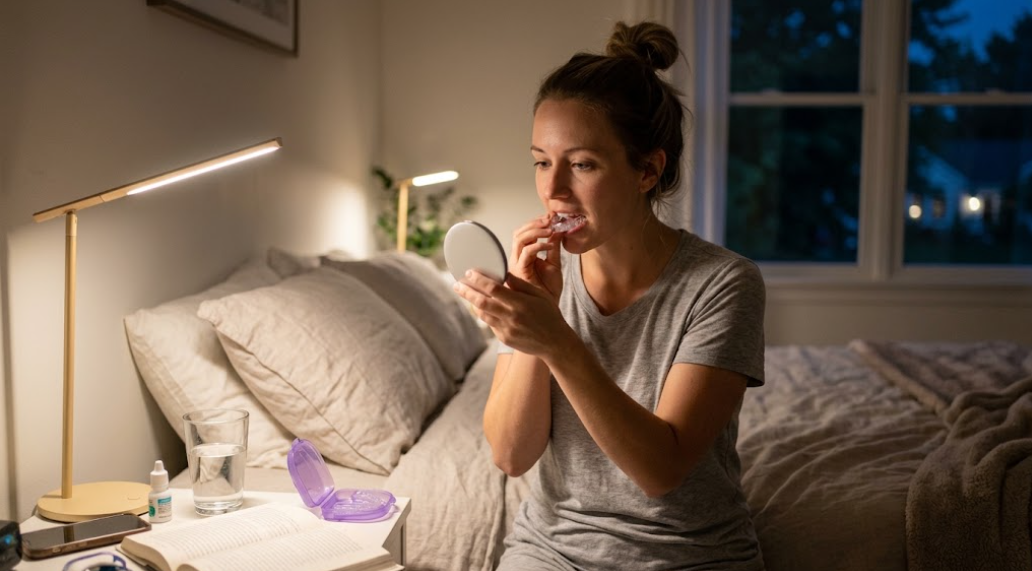
At Derksen Dentistry, appliances can be customized according to the individual patient’s needs rather than relying on a one-size-fits-all over-the-counter guard.
Can Physical Therapy Help Jaw Pain?
Yes, physical therapy may be helpful for some types of TMD, particularly when muscle tension and movement limitations are significant parts of the problem.
Manual therapy and exercises may be used to improve movement and function. Depending on your symptoms, your dentist may recommend coordinating treatment with a physical therapist or another healthcare professional.
When Is a TMD Specialist Needed?
Some jaw problems require care beyond what is appropriate in a general dental office.
A dentist may recommend additional evaluation when:
- Pain is severe or persistent
- The jaw repeatedly locks
- Jaw movement becomes significantly limited
- Symptoms do not improve with conservative treatment
- A complex joint disorder is suspected
- The source of facial pain remains unclear
Derksen Dentistry provides specialist referrals when a patient’s needs extend beyond the scope of treatment available in the office.
What Can You Do at Home for Mild Jaw Pain?
If your symptoms are mild, a few simple changes may help give the jaw a break.
Try to:
- Avoid gum or other chewy foods for a while.
- Choose softer foods during a painful flare-up.
- Avoid deliberately popping or clicking your jaw.
- Pay attention to whether you are clenching your teeth during the day.
- Follow your dentist or physician’s instructions regarding heat, cold, exercises, or medication.
These approaches are not a replacement for an evaluation if symptoms persist, but they may help reduce unnecessary stress on the jaw.
When Should You See a Dentist About Jaw Pain?
An occasional painless click may not be something to worry about. Persistent pain is different.
Consider making an appointment if you are experiencing:
- Jaw pain that keeps returning
- Pain when chewing
- Frequent jaw stiffness
- Painful clicking or popping
- Difficulty opening your mouth
- Jaw locking
- Morning jaw soreness associated with grinding or clenching
- Tooth wear or damage from grinding
- Headaches that regularly occur along with jaw discomfort
If you are not sure whether the problem is coming from a tooth, the jaw joint, or the surrounding muscles, a dental examination is a reasonable place to start.
Sudden severe pain, significant facial swelling, fever, trauma, a suspected broken jaw, or other urgent symptoms should receive prompt medical or emergency dental attention.
Looking for Help with TMD or Jaw Pain in Lansing?
TMD can be frustrating because there is not always one simple explanation for the discomfort. The first goal is to determine what may be contributing to your symptoms and choose treatment that makes sense for your individual situation.
At Derksen Dentistry, we believe in a conservative, patient-focused approach to dental care. If jaw pain, grinding, headaches, stiffness, or painful clicking is interfering with your daily life, we can evaluate your symptoms and discuss appropriate next steps.
Request an appointment with Derksen Dentistry to have your jaw pain evaluated at our Lansing dental office.
Frequently Asked Questions About TMD
Is TMD the Same as TMJ?
No. TMJ refers to the temporomandibular joint itself. TMD refers to disorders affecting the jaw joint, chewing muscles, or related structures.
Can TMD Cause Headaches?
Certain TMDs can be associated with headaches, especially when the chewing muscles or jaw joint are painful. However, headaches have many possible causes, so recurring headaches should not automatically be assumed to be TMD.
Can TMD Go Away on Its Own?
Some TMD symptoms are temporary and improve without extensive treatment. Other cases become persistent or recurring. This is one reason conservative care is generally recommended as the first approach.
Does a Night Guard Help With TMD?
Yes, particularly when clenching or grinding is present. Oral appliances can also protect teeth from grinding damage.
When Should I Worry About Jaw Clicking?
Painless jaw clicking is common. Clicking accompanied by pain, jaw locking, stiffness, or difficulty opening the mouth is more reason to schedule an evaluation.