
If you are considering dental implants to replace a missing tooth, one of the first questions you probably have is simple: How long do dental implants last? It is a smart question, especially if you want a tooth replacement option that feels stable, looks natural, and holds up well over time.
The short answer is that dental implants can last for decades, the implant itself may last for life. How long everything lasts depends on several factors, including your oral hygiene, gum health, bone support, medical history, tobacco use, and how consistently you keep up with dental checkups.
Research and patient guidance from the FDA, Mayo Clinic, and a 2024 meta-analysis by Kupka et al. in Clinical Oral Investigations reviewed 20-year dental implant survival data and found that long-term outcomes can remain strong, while also emphasizing the need for ongoing follow-up and careful interpretation of long-range success rates. Long-term studies commonly report dental implant survival or success rates in roughly the 90% to 95% range over 10 years or more, with one widely cited 2019 systematic review estimating 96.4% 10-year implant-level survival.
For patients looking into dental implants in Lansing, MI, it helps to understand that longevity is not just about the implant post. It is about the full picture, from placement and healing to maintenance years later. At Derksen Dentistry, that kind of practical, patient-first approach fits the way the practice talks about care: clear explanations, long-term thinking, and treatment options built around what is best for the patient.

How Long Do Dental Implants Last? A Quick Answer
Most dental implants are designed to be a long-term tooth replacement. The implant post placed in the jawbone can often last 20 years or more, and sometimes much longer. The crown attached to the implant may need replacement sooner because it is exposed to daily chewing forces and normal wear. The exact lifespan varies from person to person, but overall dental implant longevity is often excellent when the implant is well planned, properly placed, and maintained over time.
Average Dental Implant Lifespan: How Long the Implant Post, Abutment, and Crown Last
When people ask how long do dental implants last, they are often talking about several different parts at once.
How Long the Dental Implant Post Lasts
The implant post is the portion placed into the jawbone. This acts like an artificial tooth root. Because it integrates with the bone through a process called osseointegration, it is built to be a stable, long-term foundation. This is one reason implants are often described as a permanent or near-permanent option for missing tooth replacement.
How Long the Abutment and Other Parts Last
The abutment and connecting components are also important. In some cases, these parts may need maintenance due to wear or loosening over time. This is why implant survival and restoration survival are not always the same thing.
How Long the Dental Crown on an Implant Lasts
The crown on top of the implant does not always last as long as the implant itself. Crowns can wear down, chip, loosen, or simply need replacement after years of normal use. That does not necessarily mean the implant has failed. It may only mean the restoration needs attention.
Do Dental Implants Last Forever? What “Lifetime” Really Means
A lot of people want to know whether dental implants last forever. The honest answer is that they can last a very long time. A dental implant may stay in place for decades, yet still need periodic monitoring, crown replacement, or treatment for surrounding gum inflammation.
A recent 20-year meta-analysis found that long-term implant survival remains strong, but it also emphasized the importance of follow-up care and the reality that implant outcomes are influenced by many factors over time. In other words, a long-lasting implant is not a no-maintenance implant.
It is also worth separating dental implant longevity from dental implant success. An implant may still be physically present after 15 or 20 years, but if the surrounding tissue is inflamed, the bone level is dropping, or the crown keeps breaking, that situation is different from a stable, complication-free implant. Patients deserve realistic expectations, not marketing shortcuts.
For many patients in Lansing, the better question is not “Will it last forever?” but “What can I do to help it last as long as possible?” That is where daily care and regular exams become just as important as the procedure itself.
What Affects Dental Implant Longevity?
The biggest factors that affect how long dental implants last tend to show up again and again in clinical guidance. They include oral hygiene, gum health, bone quality, smoking, certain health conditions, bite force, treatment planning, and professional maintenance.
Oral Hygiene and Gum Health: The Biggest Factors in How Long Dental Implants Last
Even though implants do not get cavities the way natural teeth do, they are still vulnerable to problems in the surrounding tissues. Plaque and bacteria can build up around implants just like they do around natural teeth. If that inflammation is mild and limited to the soft tissue, it may be called peri-implant mucositis. If it progresses and starts affecting the supporting bone, it may become peri-implantitis, which is a more serious threat to dental implant lifespan.

An implant does not decay, but the gums and bone around it can absolutely become diseased. Poor hygiene, skipped cleanings, and untreated gum inflammation can shorten dental implant longevity.
Daily habits matter here. That usually includes:
- Brushing carefully around the implant every day
- Cleaning between teeth and around the implant with floss, interdental brushes, or other dentist-recommended tools
- Keeping up with professional cleanings and exams
- Calling your dentist if you notice bleeding, swelling, or tenderness
If you want your dental implants in Lansing, MI to last, healthy gums are one of the biggest priorities.
Bone Quality, Bone Loss, and Osseointegration: Why Jawbone Support Matters for Dental Implant Longevity
Osseointegration is the process that allows the implant to fuse with the jawbone and become stable. Mayo Clinic explains that dental implant treatment works by replacing the tooth root with a metal post and then supporting an artificial tooth on that base. That only works well when the implant has strong bone support.
Bone density and jawbone volume can affect initial stability and long-term performance. If a patient has experienced significant bone loss after losing a tooth, a bone graft may sometimes be recommended before implant placement. Bone grafting can help create the support needed for implant placement and long-term stability when bone volume is limited, but outcomes can still vary depending on the graft material, healing quality, and how well the site integrates before loading.
This is a major part of dental implant longevity. Early healing matters, but long-term bone stability matters just as much. Bone loss around an implant can increase the risk of future complications, which is why follow-up x-rays and regular monitoring are often part of long-term implant care.
Smoking, Vaping, and Tobacco Use: How They Affect How Long Dental Implants Last
Tobacco use can make healing after dental implant surgery more difficult and may lower long-term success. The FDA specifically notes that smoking may affect the healing process and can decrease the chance of successful implant treatment.
That does not mean every smoker will have implant problems, but it does mean the risk profile is different. Quitting or reducing tobacco use can improve healing conditions and support better dental implant longevity.
Medical Conditions and Medications That Can Affect Dental Implant Longevity
Not every patient has the same outlook when it comes to how long dental implants last. Certain health conditions and medications may affect healing, bone metabolism, or the health of the tissues around the implant. The FDA advises patients to discuss conditions such as diabetes, gum disease, and other medical issues with their dental provider before implant treatment.
Uncontrolled diabetes is one example that can affect healing and infection risk. A history of periodontal disease may also be relevant. This does not automatically rule out implants, but it may change treatment planning and the type of maintenance a patient needs later.
Teeth Grinding, Bite Force, and Wear: Hidden Reasons Dental Implants May Not Last as Long
Many people assume implant failure only happens because of infection. In reality, bruxism and heavy bite forces can also put stress on implants and restorations. Excessive grinding or clenching may contribute to crown wear, screw loosening, or mechanical complications over time.
For patients who grind their teeth, a night guard may help protect the crown and reduce wear. This is especially important for back-tooth implants, where chewing pressure tends to be higher.
Implant Location, Number of Missing Teeth, and Restoration Type
A single front-tooth implant and a full-arch implant case are not exactly the same when it comes to planning or complexity. Case design matters. Derksen Dentistry offers several implant options, including single tooth implants, multiple tooth implants, full-mouth implants, All-on-4, and implant-supported dentures. Different restorations may place different demands on the implant system and on the patient’s home care routine.
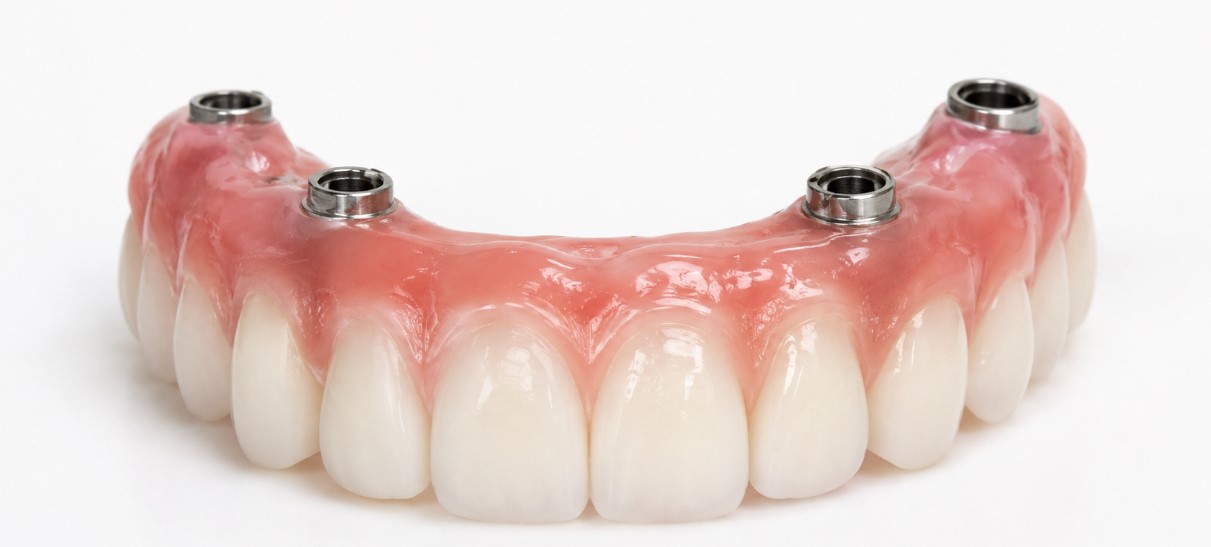
That is one reason personalized treatment planning is so important.
Surgical Planning, Implant Placement, and Implant Materials
The quality of treatment planning can affect both immediate healing and long-term results. Mayo Clinic notes that implant surgery involves careful evaluation of jawbone, anatomy, and replacement options. Derksen Dentistry likewise describes the implant process as starting with consultation detailed examination, and 3-D imaging to assess jawbone density, oral health, and candidacy.
Titanium is commonly used for implant posts and is the material specifically described on Derksen Dentistry’s implant page. Implant materials, design, and surgical precision all matter, but this is not just about the hardware. A skilled plan helps reduce avoidable complications and supports long-term implant stability.
Professional Maintenance and Checkups: Why Follow-Up Care Affects How Long Dental Implants Last
The best implant in the world still needs maintenance. The FDA recommends routine dental visits after implant treatment, and the 20-year meta-analysis reinforces that long-term follow-up care is essential when looking at real-world implant outcomes.
During these visits, a dentist may check:
- Gum health around the implant
- Signs of inflammation or infection
- Bite force and wear patterns
- Stability of the crown or abutment
- Bone levels on x-rays when needed
That ongoing attention helps catch small issues before they become larger ones.
Signs a Dental Implant May Be Failing or Wearing Out
Patients should know the warning signs that deserve a call to the dentist. These may include pain when chewing, a loose crown, swelling, bleeding, gum recession, or pus around the implant site. The FDA notes that symptoms such as loosening, pain, and inflammation can be associated with implant complications.
It is also important not to panic if something feels “off.” Sometimes the issue is the gums, the crown or a connecting component, not the implant itself. Either way, it is worth having it checked promptly.
How to Make Dental Implants Last Longer
If your goal is to improve dental implant longevity, the basics matter more than most people think.
- Brush and clean around the implant every day
- Keep regular dental checkups and cleanings
- Avoid smoking and tobacco if possible
- Treat gum disease early
- Follow post-operative instructions closely
- Use a night guard if you grind your teeth
- Stay on top of medical conditions that may affect healing or inflammation
These habits support the same advantages highlighted by Derksen Dentistry’s implant page, including long-term durability, stability, and preservation of jawbone support.
For anyone comparing options, this is one reason many patients choose dental implants in Lansing, MI over a more temporary-feeling solution. Implants can demand more planning up front, but they often reward that effort with better long-term stability.
Dental Implants vs. Bridges vs. Dentures: Which Lasts Longer?
In general, dental implants are often the longest-lasting option because they are anchored in the bone rather than resting on the gums or relying on neighboring teeth for support. Mayo Clinic notes that implants can be especially helpful when dentures or bridgework do not fit well or when natural tooth roots are not available to support replacement teeth. Derksen Dentistry also emphasizes that implants can help avoid altering adjacent healthy teeth.
That said, longevity is only one part of the decision. Cost, comfort, health conditions, anatomy, and patient preference all matter too.
FAQs About How Long Dental Implants Last and What Affects Longevity
How many years do dental implants usually last?
For many patients under good oral hygiene conditions, with healthy gums, strong bone support, and regular dental care, the implant post may last for decades and in some cases for life.
Can dental implants last 30 years?
Yes, some can. Long-term research shows strong survival over very long periods, but results vary by patient, habits, and maintenance.
Do dental implants last forever?
Not always. They can last a very long time, but there is no guarantee of lifetime performance without maintenance or future restoration work.
What is the downside of dental implants?
Implants require surgery, healing time, and a higher initial investment than some alternatives. Some patients may also need bone grafting or more involved treatment planning.
Can dental implants fail after 10 years?
Yes, late failures can happen. Gum disease around the implant, bone loss, smoking, poor hygiene, or mechanical problems may contribute.
How often do implant crowns need to be replaced?
There is no single schedule. Some crowns last many years, while others may need replacement sooner due to wear, fracture, or bite-related stress.
What affects how long dental implants last the most?
The biggest factors are usually oral hygiene, gum health, bone support, smoking status, medical history, bite forces, and regular maintenance visits.
Are dental implants worth it if they may need maintenance later?
For many patients, yes. Even with maintenance, implants can provide strong function, a natural feel, and long-term stability that make them a worthwhile investment.
Bottom Line on How Long Dental Implants Last
So, how long do dental implants last? Often a very long time. Many last for decades, and some may last for life. Still, dental implant lifespan is not automatic. It depends on good planning, healthy gums, strong bone support, regular professional care, and consistent habits at home. If you are exploring dental implants in Lansing, MI, the goal is not just getting an implant placed. It is choosing a long-term solution and taking care of it in a way that supports your smile for years to come.